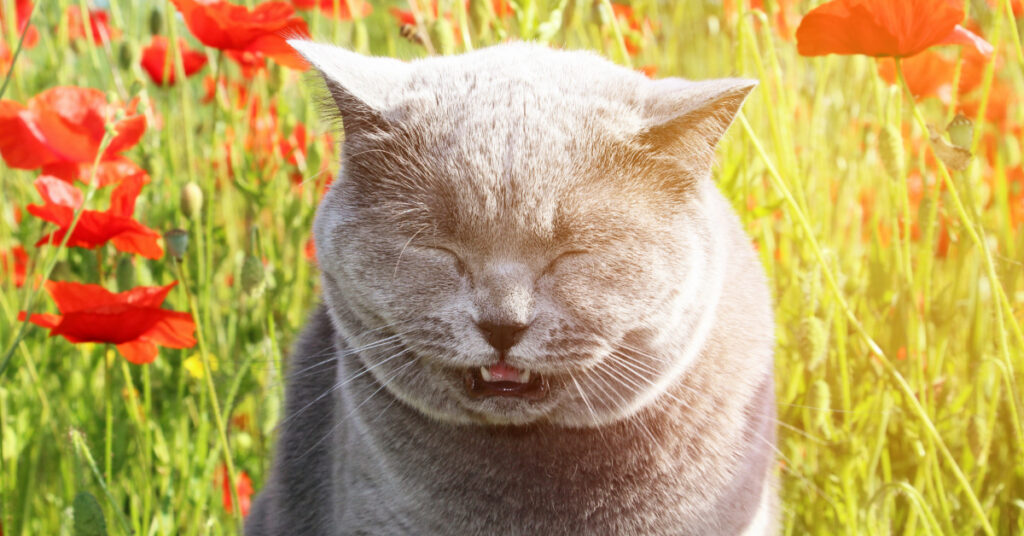
If your cat keeps sneezing, the most likely explanation is an upper respiratory infection, an environmental irritant, or an allergy, though there are several other causes worth knowing about, and some of which may surprise you. Cat sneezing is one of those symptoms that can mean very little or quite a lot depending on the frequency, the pattern, and what else is going on with your cat.
A single sneeze after sniffing something dusty is one thing; a cat that sneezes repeatedly throughout the day, produces nasal discharge, or seems under the weather is another situation entirely. From viral infections and dental disease to nasal polyps and foreign bodies, the range of possible causes is broader than most pet owners expect. This guide covers all of them, along with the telltale signs that tell you when a sneezing cat needs veterinary attention and what the diagnostic process looks like when you bring your cat in for an exam.
Is It Normal for Cats to Sneeze?
Yes, occasional cat sneezing is completely normal. Just like humans, cats sneeze to clear irritants from their nasal passages. A single sneeze here and there, especially after sniffing something dusty or fragrant, is not a concern. Cat sneezing becomes something worth investigating when it is frequent, persistent, accompanied by other symptoms, or when the character of the sneeze changes.
Why Does My Cat Keep Sneezing?
Frequent or repetitive cat sneezing has a range of possible causes. Some are benign, and others require veterinary treatment. Here is an overview of the most common reasons a cat keeps sneezing:
Upper Respiratory Infection
Upper respiratory infections (URIs) are one of the most frequent causes of cat sneezing, particularly in younger cats or cats that have been in contact with other cats. Feline herpesvirus and calicivirus are the two most common viral culprits. Bacterial infections, including Bordetella and Chlamydophila, can also cause sneezing. A cat with a URI will often show additional signs such as nasal discharge, watery eyes, reduced appetite, and lethargy.
Environmental Irritants and Allergens
Cats can be sensitive to many common household substances. Dust, cigarette smoke, perfume, scented candles, cleaning products, and even certain cat litters can all irritate a cat’s nasal passages and trigger sneezing. If your cat sneezes more in a particular room or after you use a specific product, the environment is a likely contributor.
Feline Allergies
While cat sneezing due to allergies is less common than in dogs and humans, it does occur. Cats with seasonal or environmental allergies may sneeze more during certain times of year or in certain locations. Allergic sneezing in cats is often accompanied by itchy skin, watery eyes, and post-nasal drip rather than nasal discharge.
Dental Disease
This one surprises many cat owners, but dental disease, especially tooth root infections in the upper teeth, can trigger cat sneezing. The roots of the upper premolars and canines sit very close to the nasal passages. When those teeth develop infections or abscesses, the inflammation can affect the nasal cavity, leading to sneezing and sometimes nasal discharge from one nostril.
Nasal Polyps or Foreign Bodies
Nasal polyps, benign growths in the nasal passages or throat, can cause chronic cat sneezing and congestion. Foreign bodies, such as a blade of grass or a small piece of material that gets lodged in the nasal passage, can also trigger sudden, intense sneezing. A cat that begins sneezing suddenly and intensely, particularly after being outdoors, may have something lodged in their nose.
Nasal Tumors
In older cats, persistent and progressive cat sneezing, particularly when accompanied by nosebleeds, facial asymmetry, or a foul odor, may indicate a nasal tumor. This is not the most common cause of cat sneezing, but it is one that should not be overlooked in middle-aged or senior cats with chronic nasal signs.
What Does the Discharge Look Like When a Cat Sneezes?
The nature of any nasal discharge accompanying cat sneezing provides important clues about the underlying cause. Here is what different types of discharge may indicate:
- Clear, watery discharge: Often seen with allergies, mild irritants, or early-stage viral infections
- Yellow or green discharge: Typically indicates a bacterial infection or a secondary infection on top of a viral URI
- Bloody discharge or nosebleed: Can indicate a foreign body, a polyp, high blood pressure, a clotting disorder, or in older cats, a nasal tumor
- Discharge from only one nostril: Often suggests a localized issue such as a foreign body, dental disease, or polyp rather than a generalized infection
Any discharge that is colored, persistent, or coming from only one nostril warrants a veterinary evaluation at Chino Valley Animal Hospital.
When Should I Be Concerned About My Cat Sneezing?
Not every sneeze requires a vet visit, but certain signs alongside cat sneezing should prompt you to call your veterinarian promptly. Contact Chino Valley Animal Hospital if your cat is showing any of the following:
- Sneezing more than a few times a day for more than 24 to 48 hours
- Nasal discharge that is yellow, green, or bloody
- Sneezing accompanied by watery or crusty eyes, lethargy, or reduced appetite
- Sneezing that worsens over time rather than improving
- Signs of difficulty breathing or open-mouth breathing
- Facial swelling or pawing at the nose or face
When in doubt, a phone call to our team is always a good starting point. We can help you determine whether your cat needs to be seen right away or whether monitoring at home is appropriate.
How Do Veterinarians Diagnose the Cause of Cat Sneezing?
When you bring a sneezing cat to Chino Valley Animal Hospital, our veterinary team will start with a thorough physical exam and a detailed history. Knowing when the sneezing started, how often it occurs, whether there is discharge, and whether anything in the environment has changed recently all helps narrow down the cause.
Depending on the findings, additional diagnostics may include bloodwork, viral testing, dental X-rays, nasal cytology or culture, or imaging of the nasal passages. In more complex cases, rhinoscopy may be recommended to visually inspect the nasal passages and obtain a biopsy if needed.
Can Vaccines Prevent Cat Sneezing?
Yes, in part. Core feline vaccines protect against feline herpesvirus and calicivirus, two of the most common causes of cat sneezing related to upper respiratory infections. While vaccines do not guarantee immunity, they significantly reduce the severity and duration of illness if your cat is exposed. Keeping your cat’s vaccines current is one of the most effective ways to reduce the risk of URI-related sneezing.
Treatment for Cat Sneezing Depends on the Cause
There is no universal treatment for cat sneezing because the right approach depends entirely on what is causing it. Bacterial infections are treated with antibiotics. Viral infections are managed supportively. Dental disease requires dental treatment. Polyps or tumors may require surgical intervention. Environmental triggers are addressed by identifying and removing the offending substance. This is why a proper diagnosis before any treatment is so important. Treating cat sneezing without knowing the cause can delay recovery and, in some cases, allow an underlying condition to progress.
What You Can Do to Support Your Sneezing Cat
If your cat is sneezing and you are waiting for a veterinary appointment, or if your vet has confirmed a mild URI and recommended supportive care, there are ways to keep your cat comfortable. A congested cat benefits from a warm, humid environment. Encourage eating and drinking, as cats with nasal congestion often lose their appetite because they cannot smell their food. Warming food slightly can help enhance its aroma and encourage intake.
Never give your cat over-the-counter medications intended for humans without explicit veterinary guidance. Many human medications, including common cold remedies, are toxic to cats.
Your Cat Deserves a Clear Diagnosis and the Right Care
Cat sneezing is your feline companion’s way of telling you something may be off, and paying attention to the full picture, the frequency, the discharge, and the accompanying signs, gives you and your veterinarian the best chance of finding the right answer quickly.
If your cat has been sneezing more than usual, do not wait to find out why. Call Chino Valley Animal Hospital at (928) 636-4382 or book an appointment online. Our team is here to help your cat breathe easier and feel their best.