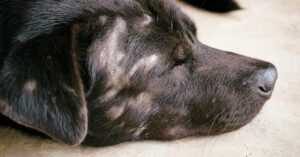
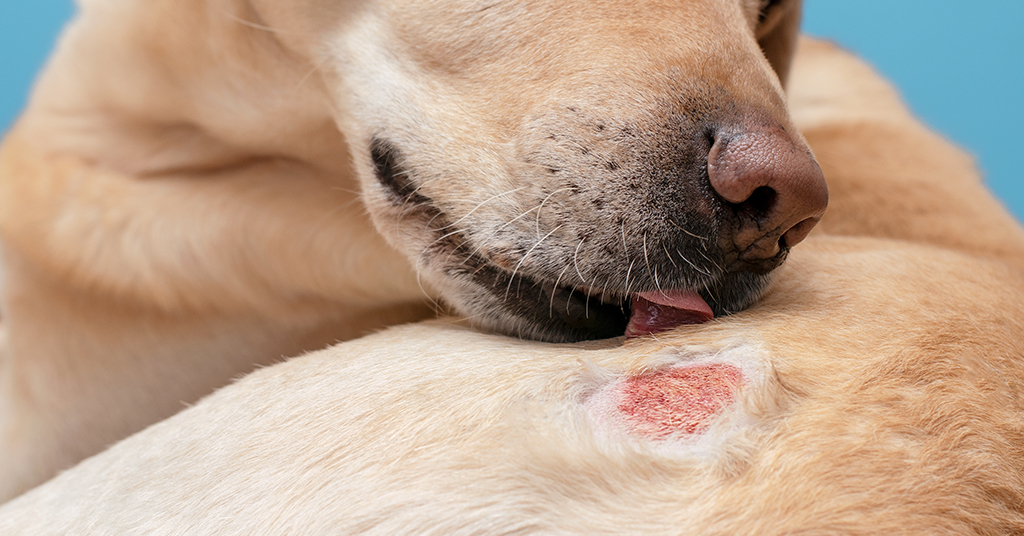
The most common dog skin infections include bacterial pyoderma, yeast infections, ringworm, hot spots, and mange caused by mites. These conditions typically show up as redness, itching, odor, scabs, flaky skin, or patchy hair loss. Your dog’s skin is its largest organ, and it acts as a protective barrier against bacteria, fungi, and parasites. When that barrier breaks down, infections can take hold quickly and spread if left unaddressed. Skin complaints also rank among the top reasons dogs visit the veterinarian, so you’re far from alone if you’ve noticed your pup scratching more than usual. At Chino Valley Animal Hospital, we see a wide range of skin problems in dogs throughout the Chino Valley area, from mild irritation to stubborn, recurring infections. In this guide, we’ll walk through the symptoms to look for, six frequently diagnosed skin conditions, what puts some dogs at higher risk, and how veterinarians get to the root of the problem.
What Do Skin Problems in Dogs Look Like?
Skin trouble doesn’t always announce itself with obvious wounds, so it helps to know the quieter clues as well as the dramatic ones. Many common dog skin infections share the same early warning signs.
Visible Changes to Skin and Coat
Run your hands over your dog during grooming or cuddle time, and part the fur in a few spots to look at the skin underneath. Signs that something may be wrong include:
- Red, pink, or darkened patches of skin
- Pimple-like bumps, pustules, or crusty scabs
- Circular areas of hair loss or a thinning coat
- Dandruff, flaking, or greasy residue on the skin
- Moist, oozing sores or areas that feel warm to the touch
- A musty, sour, or yeasty smell, even shortly after a bath
Changes in Behavior
Your dog’s actions can reveal discomfort before the skin looks noticeably different. Frequent scratching, licking, biting at one spot, rubbing against furniture, or rolling on the carpet can all point to irritation. Some dogs also seem restless at night or become sensitive when you touch a certain area. If these behaviors last more than a few days, schedule a veterinary exam rather than waiting for the problem to resolve on its own. Call sooner if your dog seems lethargic, stops eating, or develops a fever, since these can signal a deeper infection that needs prompt attention.
6 Common Dog Skin Infections and Disorders
While dozens of skin conditions affect dogs, a handful account for most of the cases veterinarians see in practice.
1. Bacterial Pyoderma
Pyoderma means “pus in the skin,” and it’s one of the most frequently diagnosed canine skin infections. It usually develops when bacteria, most often Staphylococcus pseudintermedius, take advantage of skin that’s already irritated by allergies, parasites, or scratching. Look for red bumps, pustules, crusts, and circular scaly rings called epidermal collarettes.
2. Yeast Dermatitis
Yeast called Malassezia lives on healthy skin in small numbers, but it can overgrow in warm, moist areas. Ears, paws, skin folds, and the armpits are frequent targets. Affected skin often becomes greasy, darkened, and thickened, with a distinctive musty odor.
3. Ringworm
Despite its name, ringworm is a fungal infection, not a worm. It typically causes round patches of hair loss with scaly or crusty edges, often on the face, ears, or legs. Ringworm is contagious to other pets and to people, so prompt veterinary diagnosis matters for the whole household.
4. Hot Spots
Hot spots, known medically as acute moist dermatitis, are red, raw, oozing patches that can appear and grow within hours. They often start with a flea bite, allergy flare, or matted fur, then worsen as the dog licks and chews the area. Thick-coated breeds are especially prone during warm months.
5. Sarcoptic Mange
Sarcoptic mange, also called scabies, results from microscopic mites that burrow into the skin. It causes intense itching, crusting, and hair loss, commonly on the ear edges, elbows, and belly. These mites spread easily between dogs and can cause temporary itchy bumps on people.
6. Demodectic Mange
Demodex mites naturally live in hair follicles, but an immune system that’s young, stressed, or weakened can allow them to multiply. The result is patchy hair loss, often around the eyes and mouth, which may or may not itch. Unlike sarcoptic mange, demodicosis isn’t considered contagious.
Why Do Some Dogs Get Skin Infections More Often?
Most skin infections don’t happen in isolation. They usually develop because an underlying issue has weakened the skin’s natural defenses.
Underlying Health Conditions
Allergies are the leading driver of recurring skin infections, since constant scratching creates openings for bacteria and yeast. Hormonal disorders such as hypothyroidism and Cushing’s disease can also thin the skin and slow healing. When infections keep returning, your veterinarian will often look for one of these root causes rather than treating each flare-up alone.
Lifestyle and Breed Factors
Certain traits and habits make some dogs more vulnerable than others. Common risk factors include:
- Deep skin folds, as seen in Bulldogs, Pugs, Shar-Peis, and Basset Hounds
- Gaps in year-round flea and tick prevention
- Frequent swimming or bathing without thorough drying
- Matted or neglected coats that trap moisture and debris
- Close contact with other dogs at boarding facilities, parks, or shelters
Arizona’s intense sun and dry air can also leave some dogs with flaky, sensitive skin that becomes more susceptible to irritation.
Parasites and Minor Injuries as Triggers
Fleas, ticks, and mites don’t just cause itching on their own. Their bites damage the skin’s surface and invite bacteria inside, which is why parasite problems and common dog skin infections so often appear together. Small injuries play a similar role. Scrapes from brush, cactus spines, or rough play can become infected if a dog keeps licking the wound. Even a minor cut deserves a veterinary look if it becomes swollen, warm, or starts to drain.
How Do Veterinarians Identify and Treat Skin Infections in Dogs?
Many skin conditions look alike to the naked eye, so accurate testing is the key to choosing the right care. A red, itchy patch could be bacteria, yeast, mites, or fungus, and each one calls for a different approach. Guessing at home often leads to products that don’t match the problem, which gives common dog skin infections more time to spread and settle in.
Common Diagnostic Tools
Your veterinarian will begin with a detailed history and a close look at the affected areas. From there, testing may include skin scrapings to search for mites, tape or impression cytology to identify bacteria and yeast under the microscope, a fungal culture or special ultraviolet light exam for ringworm, and bacterial culture to determine which antibiotics will work best. In stubborn or unusual cases, a skin biopsy or bloodwork to check hormone levels can provide additional answers.
What a Treatment Plan May Involve
Care depends on the specific infection and its underlying cause. Veterinary treatment plans may combine oral or topical prescription medications, medicated shampoos or rinses, parasite control, and management of contributing conditions such as allergies. Completing the full course of any prescribed medication is important, even after the skin starts to look better, because stopping early can allow the infection to return. Avoid over-the-counter creams or human products unless your veterinarian approves them, since some can delay healing or harm your dog if licked. Recheck appointments help confirm the infection has fully cleared.
Get to the Root of Your Dog’s Skin Trouble at Chino Valley Animal Hospital
Itchy, irritated skin affects your dog’s comfort, sleep, and overall quality of life, and most common dog skin infections respond well when diagnosed early. Paying attention to changes in your dog’s coat, smell, and behavior gives you the best chance of catching problems before they spread or become chronic. The team at Chino Valley Animal Hospital takes a thorough approach to skin care, identifying both the infection itself and the factors that allowed it to develop. That way, your dog gets lasting relief instead of a temporary fix. If you’ve spotted redness, bumps, hair loss, or persistent scratching, call Chino Valley Animal Hospital at (928) 636-4382 to book an exam. We’ll help your dog feel comfortable again and answer any questions you have about protecting their skin in the future.