Dog yeast infections happen when a fungus called Malassezia, which normally lives on the skin in small amounts, multiplies out of control. They most often affect the ears, paws, and skin folds, causing itching, redness, greasy skin, and a distinctive musty odor. Yeast overgrowth is rarely a standalone problem. In most cases, something else, such as allergies or excess moisture, has upset the balance on your dog’s skin and given the yeast an opening. That’s why these infections tend to come back if only the symptoms get addressed. At Chino Valley Animal Hospital, we help pet owners in Chino Valley and the surrounding communities figure out both the infection and the reason behind it. Below, you’ll learn what causes yeast overgrowth, where it tends to appear, how to recognize the symptoms, how veterinarians tell yeast apart from other skin problems, and what long-term management looks like.
What Is a Yeast Infection in Dogs, and What Causes It?
Understanding where yeast comes from helps explain why some dogs struggle with it again and again while others never do.
A Normal Organism Gone Overboard
Malassezia pachydermatis is the yeast responsible for nearly all canine cases. It lives harmlessly on the skin and in the ear canals of most healthy dogs, feeding on natural skin oils. Problems start when the skin’s environment changes in a way that favors the yeast, such as extra oil, heat, moisture, or inflammation. The population then grows faster than the immune system can manage, leading to irritation and infection. Dog yeast infections aren’t considered contagious to other pets or people, because the overgrowth comes from your dog’s own skin conditions rather than outside exposure.
Common Underlying Triggers
Veterinarians look for a root cause whenever yeast shows up, especially if it keeps returning. Frequent contributors include:
- Environmental or food allergies, the most common culprit by far
- Hormonal conditions like hypothyroidism or Cushing’s disease
- Moisture trapped in ears, between toes, or in skin folds after swimming or bathing
- Recent courses of antibiotics or steroids that disrupt the skin’s normal balance
- Breed traits such as long, floppy ears, heavy wrinkles, or naturally oily skin
- Immune system disorders that reduce the body’s natural defenses
Breeds frequently affected include Basset Hounds, Cocker Spaniels, West Highland White Terriers, Shih Tzus, Bulldogs, and Poodles. You may have heard that sugar or grains in your dog’s food “feed” yeast, but research doesn’t support diet as a direct cause. A food allergy, however, can set the stage for an infection.
Where Do Yeast Infections Appear on Dogs?
Yeast prefers warm, dark, humid spots on the body, so infections tend to cluster in a few predictable places. Knowing these hot spots helps you catch dog yeast infections early, often before your pet becomes truly miserable.
Ear Yeast Infections
The ear canal is the most common location for yeast overgrowth. Affected ears often contain brown, waxy debris and give off a strong odor. Dogs may shake their heads, scratch at their ears, or tilt their heads to one side. Without care, chronic ear infections can thicken and narrow the ear canal over time. In severe cases, the inflammation may spread to the middle ear, which can affect balance and hearing. Because the eardrum can’t be seen without an otoscope, have your veterinarian examine the ear before using any drops or cleaners.
Paw Yeast Infections
Yeast between the toes and around the nail beds causes redness, swelling, and constant licking. Many owners first notice reddish-brown staining on light-colored fur or a smell that some describe as resembling corn chips.
Skin and Skin Fold Infections
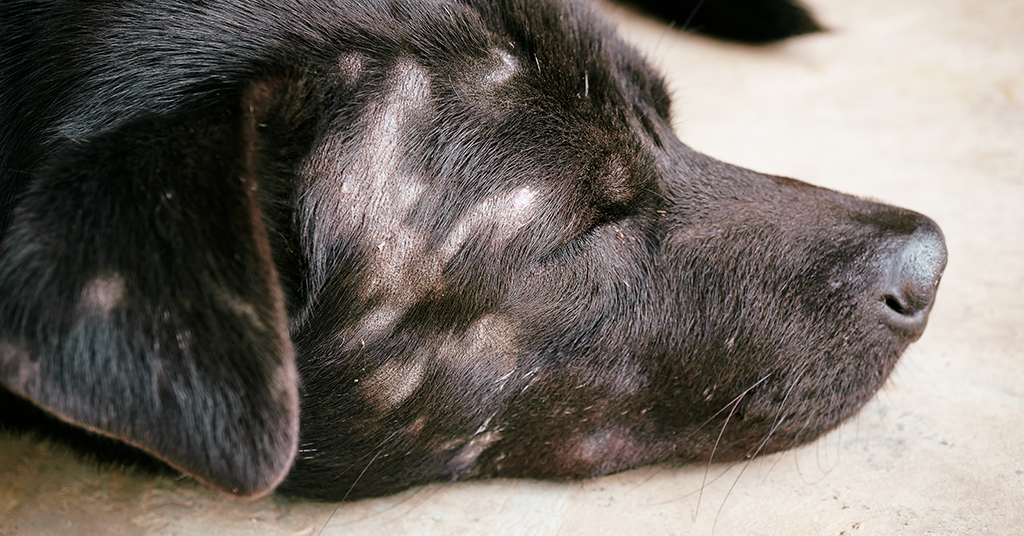
Yeast dermatitis often develops in the armpits, groin, neck, lip folds, facial wrinkles, and under the tail. Long-term infections can cause the skin to darken and take on a thick, leathery texture called lichenification. In some dogs, the infection becomes widespread across large areas of the body.
How Yeast Differs From Valley Fever
Arizona pet owners sometimes worry about Valley Fever, a fungal disease found in parts of the state. While both involve fungi, they’re very different conditions. Valley Fever is caused by inhaling soil-borne spores and can affect the lungs, bones, and other organs, while yeast infections stay on the surface of the skin and ears. Your veterinarian can test for both if symptoms are unclear.
How Can You Recognize a Yeast Infection, and How Do Vets Confirm It?
The symptoms of yeast overlap with several other skin conditions, so recognizing the signs is only the first step.
Signs and Symptoms to Watch For
Dogs with yeast overgrowth commonly show:
- Intense itching, scratching, or rubbing against furniture
- A musty, sour, or cheesy odor from the skin or ears
- Greasy, waxy, or sticky residue on the skin or coat
- Red, inflamed skin that may darken over time
- Flaky, scaly patches or a dandruff-like coating
- Hair loss in itchy areas
Telling Yeast Apart From Other Infections
Odor and greasy skin lean toward yeast, while pus-filled bumps and crusty rings point more toward bacteria. Round patches of hair loss suggest ringworm, and extreme itching along the ears and elbows may indicate mites. Still, these clues aren’t reliable on their own, and many dogs have yeast and bacterial infections at the same time. Only testing can say for certain. Treating the wrong organism wastes valuable time, so a quick visit beats guessing when dog yeast infections and other skin problems look so similar.
The Diagnostic Process
Your veterinarian will usually confirm yeast with cytology. This quick, in-clinic test involves pressing clear tape or a swab against the affected skin or ear, staining the sample, and examining it under a microscope. Yeast organisms have a distinctive peanut or footprint shape that’s easy to spot. If infections keep returning, your veterinarian may also recommend allergy testing, bloodwork to evaluate hormone levels, or skin scrapings to rule out parasites.
How Are Yeast Infections in Dogs Treated and Managed?
Treatment works best when it targets both the yeast itself and the condition that allowed it to grow in the first place.
Veterinary Treatment Options
Depending on the location and severity, your veterinarian may prescribe medicated shampoos, wipes, or ear medications containing antifungal ingredients. Widespread or stubborn cases sometimes need oral antifungal medication. If bacteria are present too, your dog may need an antibiotic. Follow your veterinarian’s instructions closely and finish the full treatment course, since dog yeast infections often return when therapy stops too soon. Avoid home remedies like vinegar rinses or essential oils, which can irritate inflamed skin and delay proper care.
Recovery and Long-Term Management
Most dogs start feeling more comfortable within a week or two of starting treatment, although full resolution can take several weeks. Recheck appointments allow your veterinarian to repeat cytology and confirm the yeast is truly under control. For dogs with chronic allergies or hormonal disorders, managing that underlying condition becomes the most important part of the plan. Some dogs also benefit from a long-term maintenance routine, such as periodic medicated baths, that your veterinarian tailors to their skin type and lifestyle. Flare-ups may still happen, but they’re usually milder and easier to control once a plan is in place.
Prevention Habits That Help
While not every infection can be avoided, a few habits reduce the risk:
- Drying your dog’s ears, paws, and skin folds well after swimming or bathing
- Staying consistent with year-round flea prevention
- Asking your veterinarian whether routine ear cleaning makes sense for your dog
- Scheduling regular wellness exams so early changes don’t go unnoticed
When To Call Chino Valley Animal Hospital About Your Dog’s Itchy Skin
Call your veterinarian whenever your dog has a persistent odor, ongoing scratching, head shaking, red paws, or greasy, darkened skin. Reach out sooner if you notice open sores, swelling, pain, or a sudden change in your dog’s energy or appetite. Dog yeast infections tend to get worse the longer they go untreated, and chronic cases can permanently change the skin and ear canals. The team at Chino Valley Animal Hospital will identify what’s growing, look for the underlying cause, and build a plan to help prevent future flare-ups. If your dog seems uncomfortable or that telltale musty smell has returned, call Chino Valley Animal Hospital at (928) 636-4382 to schedule a visit. We’ll help your dog get back to feeling like themselves.