
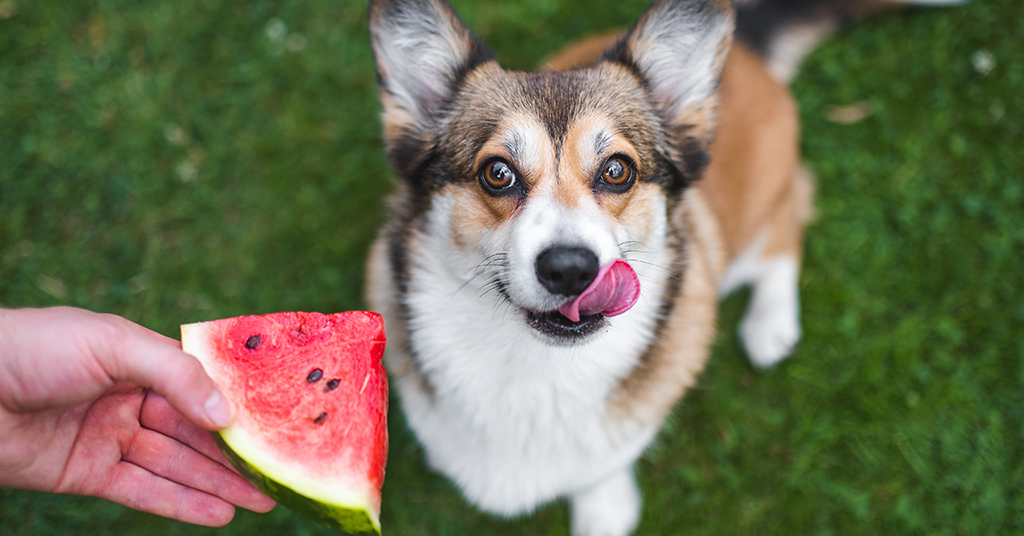
Yes, dogs can eat watermelon in moderation, as long as you remove the seeds and rind before sharing it. The fresh, seedless flesh is a low-calorie, hydrating snack that most healthy dogs genuinely enjoy. Still, the answer to “can dogs eat watermelon” comes with a few important conditions, and those details matter for your pup’s comfort and safety. Here in Chino Valley, warm afternoons stretch well into fall, so many families look for cool, natural treats to share with their four-legged companions. Watermelon often tops that list. At Chino Valley Animal Hospital, our team hears this question regularly from pet parents, and we want to give you a clear, practical answer. In this guide, we cover the nutritional upside of watermelon, sensible portion sizes, the safest ways to prepare it, and the warning signs that mean it’s time to call your veterinarian. With that knowledge, you can decide whether this summer favorite belongs in your dog’s treat rotation.
What Are the Benefits of Watermelon for Dogs?
Watermelon offers more than a sweet taste, and several of its natural properties explain why so many owners ask, “Can dogs eat watermelon as a healthy treat?”
A Hydrating Snack for Hot Arizona Days
Watermelon is roughly 92 percent water, which makes it one of the most hydrating fruits you can offer. In our dry high desert climate, dogs lose moisture quickly during walks, yard play, and afternoon hikes. A few chilled pieces of watermelon can add a little extra fluid to your dog’s day while giving them something fun to crunch on. Keep in mind that fruit never replaces fresh, clean drinking water. Your dog should always have access to a full water bowl, especially during Yavapai County’s hottest months.
Vitamins, Antioxidants, and Fiber
Beyond water, watermelon delivers a helpful mix of nutrients in every bite. These include:
- Vitamin A, which supports healthy vision, skin, and coat
- Vitamin B6, which plays a role in brain function and red blood cell production
- Vitamin C, an antioxidant that supports a healthy immune system
- Potassium, which helps muscles and nerves work properly
- Lycopene, the plant compound that gives watermelon its red color and helps protect cells
Watermelon also contains a small amount of fiber, which supports normal digestion when the fruit is offered in reasonable amounts.
A Lighter Option Than Many Store-Bought Treats
One cup of diced watermelon contains only about 46 calories and essentially no fat. Compared to many packaged biscuits and chews, that makes it a lighter reward for dogs who need to watch their waistlines. However, watermelon does contain natural sugar, so it works best as a sometimes treat rather than a daily staple.
How Much Watermelon Can Dogs Have?
Portion size is where many well-meaning owners go wrong, because even a healthy fruit can cause trouble when a dog eats too much of it. So while the short answer to “can dogs eat watermelon” is yes, the amount you offer matters just as much as the fruit itself.
Follow the 10 Percent Treat Guideline
Veterinarians generally recommend that treats of any kind make up no more than 10 percent of your dog’s daily calories. The other 90 percent should come from a complete and balanced dog food. For a small breed like a Chihuahua or Yorkie, that may mean just a few small cubes. A Labrador or German Shepherd can usually handle a larger handful. Because every dog’s calorie needs depend on size, age, activity level, and health history, the team at Chino Valley Animal Hospital can help you figure out an appropriate amount for your specific pet during their next visit.
Signs Your Dog Ate Too Much Watermelon
Overindulging in watermelon can upset your dog’s stomach, particularly the first time they try it. Watch for these signals after snack time:
- Loose stools or diarrhea
- Vomiting
- Excess gas or a bloated-looking belly
- Restlessness, pacing, or reluctance to lie down comfortably
If you notice any of these changes, reach out to your veterinarian rather than trying to manage the problem at home. Your vet can determine whether your dog needs to be seen.
Dogs Who May Need to Skip It
Watermelon isn’t right for every pup. Dogs with diabetes, very sensitive stomachs, food allergies, or a prescribed weight management plan may do better without fruit treats. If your dog has an ongoing health condition, check with your veterinarian before adding anything new to their diet.
How Should You Serve Watermelon to Your Dog?
Preparation makes the difference between a refreshing treat and a potential emergency, so a few extra minutes in the kitchen are well worth it.
Remove the Seeds and Rind First
Mature black seeds can lead to an intestinal blockage, and small dogs face the greatest risk because their digestive tracts are narrow. Even “seedless” watermelons contain soft, pale seeds, so pick out as many as you reasonably can. The rind poses an even bigger concern. Its tough, fibrous texture is difficult for dogs to digest, and large pieces can become lodged in the stomach or intestines. Many dogs will happily gnaw on a rind if given the chance, so dispose of leftover rinds in a secure trash can your dog can’t reach.
Fun and Simple Serving Ideas
Once you have seedless, rind-free flesh, you can get creative. Popular options include:
- Bite-sized cubes cut to match your dog’s mouth size
- Frozen chunks for a cool crunch after an afternoon walk
- Pureed watermelon frozen in an ice cube tray or a fillable rubber toy
- A small topper mixed with other dog-safe fruits, such as blueberries
Introduce watermelon slowly, starting with just a piece or two, so you can see how your dog’s digestive system responds. Wash the outside of the melon before slicing, too, since cutting through the rind can carry dirt or bacteria onto the flesh you plan to share.
Avoid Watermelon-Flavored Human Foods
Fresh fruit and watermelon-flavored products are not the same thing. Candy, sorbet, flavored drinks, and sugar-free snacks often contain added sugar or artificial sweeteners. Xylitol, a common sugar substitute, is highly toxic to dogs even in small amounts. Stick with plain, fresh watermelon only.
When Should You Call the Vet After Your Dog Eats Watermelon?
Most dogs enjoy watermelon without any issues, but certain situations call for a prompt conversation with your veterinary team.
If Your Dog Swallowed the Rind or Many Seeds
Dogs are opportunists, and a dropped watermelon slice at a backyard barbecue can disappear in seconds. If your dog swallowed a large piece of rind or a significant number of seeds, call your veterinarian right away, even if your pet seems fine at first. Signs of a digestive obstruction can take hours or even a day or two to appear. These may include repeated vomiting, refusing food, straining or failing to pass stool, a painful or tense abdomen, and unusual lethargy. Intestinal blockages are serious and can become life-threatening, so avoid waiting it out or trying home remedies. Knowing whether dogs can eat watermelon safely includes knowing which parts of the fruit put them at risk. Contact Chino Valley Animal Hospital at (928) 636-4382 for guidance on the next steps.
Nutrition Questions Are Always Welcome
You don’t need an emergency to ask about your dog’s diet. Wellness exams offer a great opportunity to talk about which fruits and vegetables are safe, how many treats fit your pet’s calorie needs, and whether any health conditions affect what your dog should eat. Bringing a short list of your dog’s favorite snacks to the appointment can make that conversation quick and productive.
Enjoy Safe Summer Snacking With Chino Valley Animal Hospital
Watermelon can be a sweet, hydrating reward that brings a little extra joy to your dog’s day, especially when the Arizona sun is beating down. So, can dogs eat watermelon? Absolutely, and the key is offering seedless, rind-free pieces in small portions and watching how your dog responds. When you have questions about treats, portion sizes, or your dog’s overall nutrition, our team is here to help. At Chino Valley Animal Hospital, we work alongside local families to support happy, healthy pets at every stage of life. Whether you’re wondering about watermelon, planning a wellness visit, or concerned that your dog got into something they shouldn’t have, give us a call at (928) 636-4382. We look forward to helping your pup enjoy every season safely.