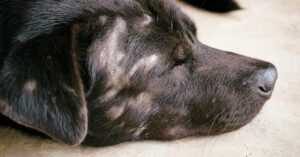
The most common signs of allergies in dogs include constant scratching, licking or chewing the paws, red or irritated skin, recurring ear infections, and hair loss. Some dogs also develop watery eyes, sneezing, or digestive upset. Allergies rank among the most frequent reasons pet owners visit the veterinarian, and they can make an otherwise happy dog miserable. In Chino Valley, our high desert environment brings its own mix of triggers, from juniper and mesquite pollen to dust that lingers well after monsoon season ends. Because allergy symptoms often look like other skin or ear problems, many owners don’t realize what’s behind their dog’s discomfort until the itching becomes severe. At Chino Valley Animal Hospital, we help local families identify what’s bothering their pets and build a plan for lasting relief. Below, you’ll learn what allergies are, the eight warning signs to watch for, the main allergy types, and how veterinarians approach care.
Can Dogs Have Allergies, and What Causes Them?
Yes, dogs can develop allergies at almost any age, and they’re far more common than many owners expect.
How an Allergic Reaction Works
An allergy occurs when your dog’s immune system overreacts to a substance that is normally harmless. That substance, called an allergen, might be a protein in food, a pollen grain, or the saliva of a flea. Instead of ignoring it, the body treats the allergen as a threat and releases inflammatory chemicals such as histamine. Those chemicals cause the itching, redness, and swelling that owners notice at home.
Unlike people, who often sneeze and sniffle with allergies, dogs tend to show their reactions through their skin. Veterinarians sometimes call this “itchy dog syndrome,” and it explains why scratching tops the list of symptoms.
Which Dogs Are Most at Risk?
Any dog can become allergic, but genetics play a significant role. Breeds commonly affected include Labrador and Golden Retrievers, French and English Bulldogs, German Shepherds, Boxers, West Highland White Terriers, and Shih Tzus. Many dogs show their first symptoms between six months and three years of age, although allergies can appear later in life too. A dog who tolerated something for years can suddenly become sensitive to it, which surprises many pet parents.
Allergies vs. Intolerances
Owners sometimes use the words “allergy” and “intolerance” interchangeably, but they describe different problems. A true allergy involves the immune system. An intolerance, on the other hand, is a digestive issue, such as a dog who gets an upset stomach after eating fatty table scraps. The distinction matters because the two conditions call for different approaches, and only your veterinarian can sort out which one is affecting your pet.
What Are the Signs of Allergies in Dogs?
Allergic dogs rarely show just one symptom, so it helps to watch for patterns over days or weeks. The eight most common signs of allergies in dogs include:
- Persistent scratching, especially around the face, armpits, belly, or base of the tail
- Licking or chewing the paws, which may leave reddish-brown saliva stains on light fur
- Red, inflamed, or bumpy skin, sometimes with small scabs or a rash
- Recurring ear infections, marked by head shaking, odor, or dark discharge
- Thinning fur or bald patches caused by constant rubbing and biting
- Watery eyes or sneezing, more common with airborne triggers
- Scooting or licking the rear end, which can point to skin irritation in that area
- Vomiting, diarrhea, or frequent bowel movements, often linked to food sensitivities
Why These Symptoms Can Be Misleading
Many of these warning signs overlap with other conditions, including parasites, bacterial or yeast infections, hormonal disorders, and even anxiety. Allergies also open the door to secondary infections when a dog breaks the skin by scratching. That’s why a veterinary exam matters so much. Trying to guess the cause at home can delay real relief and allow a mild problem to become a painful one.
Timing Offers Clues
Pay attention to when symptoms flare. Itching that worsens in spring or fall may suggest pollen, while year-round discomfort can point to food, dust mites, or mold. Jotting down dates and symptoms gives your veterinarian helpful information during the appointment. Note any recent changes as well, such as a new food, treat, shampoo, or cleaning product. Photos of flare-ups can also help, since the signs of allergies in dogs sometimes fade by the time you reach the exam room.
What Types of Allergies Affect Dogs?
Veterinarians generally group canine allergies into a few main categories, and many dogs deal with more than one type at the same time.
Environmental Allergies (Atopic Dermatitis)
Environmental allergies are triggered by substances your dog inhales or touches. Common culprits in our part of Arizona include juniper, mesquite, and grass pollens, Russian thistle, mold spores that flourish after monsoon rains, and household dust mites. These allergies often start as seasonal problems but may become year-round over time. Because Chino Valley sees pollen from different plants across spring, summer, and fall, some local dogs seem to itch for most of the year.
Flea Allergy Dermatitis
Some dogs are so sensitive to flea saliva that a single bite can trigger days of intense itching. Owners may never spot a flea on their pet, yet the reaction remains severe. Itching and hair loss concentrated near the lower back and tail base are classic indicators.
Food Allergies
Food allergies develop when the immune system reacts to a specific ingredient, usually a protein. Beef, chicken, dairy, egg, wheat, and soy are among the most frequently reported triggers. Contrary to popular belief, grains cause food allergies less often than animal proteins do. Food allergies can cause both skin and digestive symptoms, and they don’t follow a seasonal pattern.
Contact Allergies
Less common than the other types, contact allergies occur when the skin reacts to something it touches directly, such as certain shampoos, carpet cleaners, plastic bowls, or lawn treatments. Irritation usually appears on sparsely haired areas like the belly and paws.
How Do Veterinarians Treat Allergies in Dogs?
Allergy care starts with an accurate diagnosis, since the right approach depends entirely on what’s causing the reaction.
Finding the Source
Your veterinarian will begin with a thorough history and physical exam, then rule out look-alike conditions. Depending on your dog’s needs, the diagnostic process may involve:
- Skin scrapings or tape tests to check for mites, yeast, or bacteria
- Ear cytology to identify the organisms behind an infection
- A veterinarian-supervised elimination diet trial lasting eight weeks or more
- Blood or intradermal skin testing to pinpoint environmental triggers
Building a Long-Term Plan
Most allergies can’t be cured, but they can be managed well. Depending on the diagnosis, a veterinarian may recommend prescription anti-itch medications, medicated baths, prescription diets, consistent parasite prevention, or allergen-specific immunotherapy designed to reduce sensitivity over time. Treatment plans often change with the seasons, so regular follow-up visits help keep symptoms under control. Patience pays off here, too. Finding the right combination of therapies can take several weeks, and dogs with multiple allergy types may need a layered approach before they feel their best. Avoid giving human allergy medications or home remedies without veterinary guidance, as some products and doses aren’t safe for dogs.
Find Allergy Relief for Your Dog at Chino Valley Animal Hospital
Constant itching wears on dogs and their families alike, and recognizing the signs of allergies in dogs early can spare your pet weeks of discomfort. Whether your dog is chewing at their paws, shaking their head, or losing patches of fur, those behaviors deserve a closer look. The veterinary team at Chino Valley Animal Hospital works with pet owners throughout Chino Valley, Paulden, and Prescott to uncover the cause of allergy symptoms and create practical, sustainable care plans. We’ll take time to answer your questions, explain your dog’s options, and adjust the plan as your pet’s needs change. If you’ve noticed any of these signs of allergies in dogs in your own companion, call us at (928) 636-4382 to schedule an exam. Your dog deserves to feel comfortable in their own skin, and we’re glad to help make that happen.