
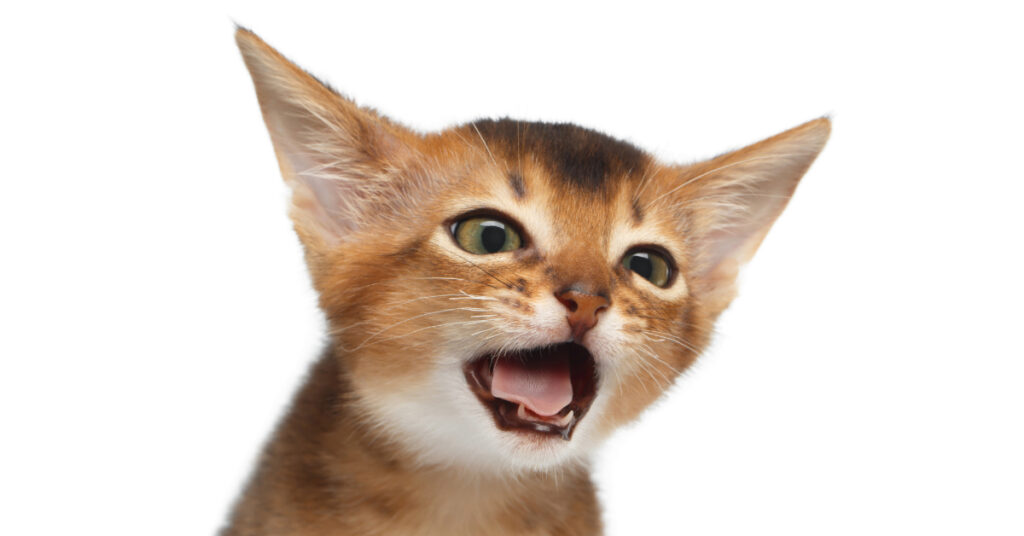
Cat coughing is a forceful, repetitive expulsion of air from the lungs, or your cat’s way of trying to clear an irritant, obstruction, or buildup from their airway. It can sound like hacking, honking, or gagging, and while a single isolated cough is rarely cause for concern, a cat that coughs frequently or persistently is telling you something important. The causes range widely, from common conditions like feline asthma and upper respiratory infections to less obvious culprits like dental disease, heartworm, and foreign bodies and some of them require prompt veterinary attention. If your cat has been coughing, this guide will walk you through everything you need to know: what it means, what might be causing it, and exactly when it is time to pick up the phone and call your vet.
At Chino Valley Animal Hospital in Chino, Valley, AZ, our veterinary team sees cats with coughing concerns regularly. Whether your cat has been coughing for a day or a few weeks, this guide will help you understand what might be going on and when it’s time to make that call to the vet.
What Does It Mean When a Cat Coughs?
A cough in cats is a reflex action, the body’s way of clearing irritants, mucus, or foreign material from the airway. While an occasional cough may not be cause for alarm, persistent or frequent cat coughing is a signal that something is disrupting your cat’s respiratory system.
It’s also worth noting that what looks like coughing in cats can sometimes be retching, reverse sneezing, or even vomiting. Understanding the difference matters because each has its own set of causes and treatments. A cough typically involves a forceful expulsion of air from the lungs, often with a distinctive honking or hacking sound, sometimes followed by gagging.
How Can I Tell If My Cat Is Coughing or Gagging?
Cats that are coughing will often crouch low with their neck extended and make repeated, forceful movements of the chest and abdomen. Gagging is usually shorter in duration and often results in the expulsion of material (like a hairball). If you’re unsure, a short video recorded on your phone can be incredibly helpful when you visit the vet. It gives our care team a real-time look at what your cat is experiencing.
Common Causes of Coughing in Cats
There are several reasons a cat may develop a cough. Some are mild and self-limiting, while others require prompt veterinary diagnosis and treatment.
Feline Asthma
Feline asthma is one of the most common causes of chronic cat coughing. It’s a condition in which the airways become inflamed and hypersensitive to environmental triggers like dust, smoke, pollen, or certain cleaning products. A cat having an asthma episode may cough repeatedly, wheeze, or appear to struggle to breathe. Feline asthma can range from mild to life-threatening, which is why it always warrants a veterinary evaluation.
Upper Respiratory Infections
Just like humans, cats can develop upper respiratory infections (URIs) caused by viruses such as feline herpesvirus or calicivirus, or by bacteria like Bordetella. A cat coughing due to a URI will often show other signs such as sneezing, nasal discharge, watery eyes, and lethargy. URIs are especially common in multi-cat households and shelters.
Heartworm Disease
Heartworm disease in cats is less well-known than in dogs, but it does occur and the respiratory signs can be significant. Cats with heartworm may develop what’s called Heartworm Associated Respiratory Disease (HARD), which can look a lot like asthma. A coughing cat in an area where heartworm is present should be tested if no other cause is found.
Lungworms and Other Parasites
Lungworms are parasites that can take up residence in a cat’s lungs and airways, causing chronic coughing. Cats that spend time outdoors and hunt prey are at greater risk. Your veterinarian can test for lungworms as part of a thorough workup for a coughing cat.
Foreign Bodies
Cats are curious creatures, and occasionally they inhale or swallow something that partially obstructs the airway. A sudden, acute onset of cat coughing, especially if your cat was playing with a small object, could indicate a foreign body. This is a veterinary emergency.
Pleural Effusion or Chest Masses
Fluid accumulation around the lungs (pleural effusion) or masses within the chest cavity can also cause a cat to cough. These conditions are more serious and are usually associated with additional signs like labored breathing, reduced appetite, and weight loss.
Signs That Accompany Cat Coughing
A cough rarely occurs in isolation. Paying close attention to the accompanying signs helps your veterinarian narrow down the cause much more quickly. Here are some symptoms to watch for alongside a cat coughing:
- Wheezing or labored breathing
- Open-mouth breathing (a red flag in cats)
- Nasal discharge or sneezing
- Loss of appetite or weight loss
- Lethargy or reduced activity
- Blue-tinged gums or tongue (cyanosis, which is a veterinary emergency)
- Gagging or retching after coughing
If your cat is showing any combination of these signs, especially open-mouth breathing or blue gums, seek emergency veterinary care immediately.
How Veterinarians Diagnose the Cause of a Cat’s Cough
When you bring your coughing cat to Chino Valley Animal Hospital, our veterinarians will start with a thorough physical examination and a detailed history. The more information you can provide such as when the coughing started, how often it occurs, what it sounds like, and whether anything seems to trigger it, the better equipped we are to find the cause.
Diagnostic tools commonly used to evaluate cat coughing include:
- Chest X-rays: To evaluate the lungs, heart, and chest cavity for abnormalities
- Bloodwork and parasite testing: To rule out infections, heartworm, and lungworms
- Bronchoscopy: A camera inserted into the airways to look for foreign bodies or take samples
- Bronchoalveolar lavage (BAL): A wash of the lung fluid to identify inflammatory cells, bacteria, or parasites
- Allergy testing: In cases where feline asthma is suspected
Treatment Options for a Coughing Cat
Treatment for cat coughing depends entirely on the underlying cause. There is no one-size-fits-all approach, which is why a proper diagnosis is so important before any treatment begins. Below is a general overview of how various conditions are typically managed:
Feline Asthma Treatment
Feline asthma is often managed with corticosteroids to reduce airway inflammation and bronchodilators to open up the airways. These medications may be given orally, by injection, or via an inhaler designed for cats. Your veterinarian will also help you identify and eliminate environmental triggers.
Upper Respiratory Infection Treatment
Bacterial URIs are treated with antibiotics. Viral infections, like those caused by feline herpesvirus, are managed supportively, keeping your cat comfortable, hydrated, and eating well while the immune system does its job. Antiviral medications may be recommended in some cases.
Parasite Treatment
Heartworm and lungworm infections require specific antiparasitic protocols determined by your veterinarian. Prevention is always preferable, and your vet can recommend the most appropriate preventive products for your cat’s lifestyle.
When To Call The Vet About Your Cat’s Cough
This is the question most cat owners grapple with: when does a cough become a veterinary concern? Here’s a straightforward guide:
- Call right away if your cat is struggling to breathe, breathing with their mouth open, or has blue or gray-tinged gums
- Schedule an appointment soon if your cat has been coughing for more than 24–48 hours, coughs repeatedly throughout the day, or has lost their appetite
- Monitor and note if the cough is isolated, brief, and your cat otherwise seems completely normal, but still mention it at your next routine visit
When in doubt, it is always better to call your veterinarian. A quick phone call to Chino Valley Animal Hospital can help you determine whether your cat needs to be seen urgently or whether monitoring at home is appropriate for now.
Your Cat’s Respiratory Health Starts With Proactive Care
Cat coughing is your pet’s body sending you a message and listening to that message early can prevent a manageable condition from becoming a serious one. Whether your cat is dealing with feline asthma, a respiratory infection, or something else entirely, our team at Chino Valley Animal Hospital is here to help you find answers and get your cat feeling their best again.
If your cat has been coughing or showing any of the signs discussed in this article, call us at (928) 636-4382 or book an appointment online today. Your cat’s comfort and health are always our top priority.