
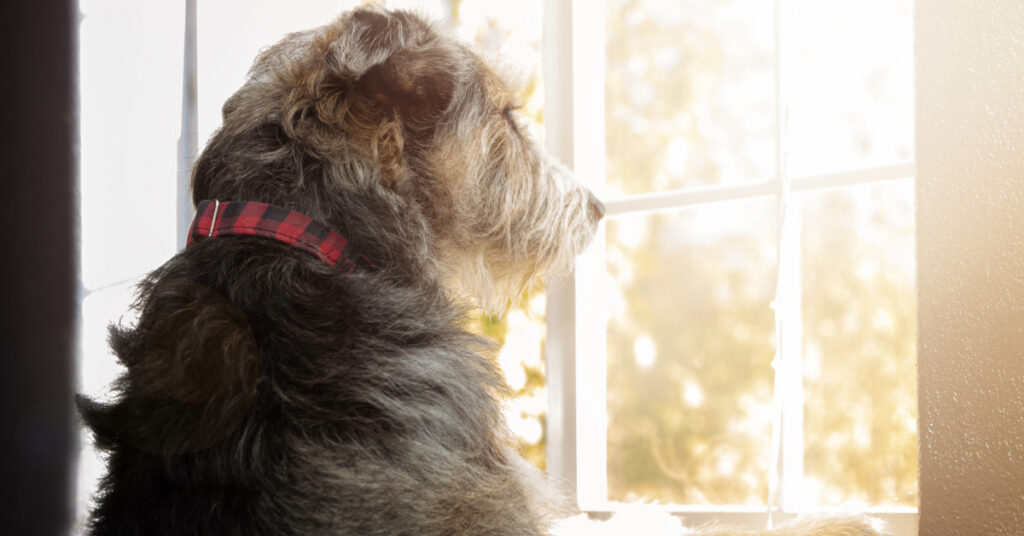
Separation anxiety in dogs is a genuine behavioral and emotional condition in which a dog experiences intense distress when left alone or separated from their primary attachment figure, going well beyond the ordinary preference most dogs have for human company. It is not stubbornness, spite, or a training failure; it is a stress response that can drive otherwise well-behaved dogs to bark for hours, destroy furniture, soil the house, or attempt to escape. If you have come home to chaos and a dog that seems almost frantic with relief at your return, separation anxiety may be what you are dealing with. The good news is that it is a recognized, treatable condition. Read on to learn how to identify the signs, understand the underlying causes, and find out how the right veterinary support can make a real difference for your dog and for your peace of mind.
What Is Separation Anxiety in Dogs?
Separation anxiety in dogs refers to a condition in which a dog experiences significant distress when separated from their owner or primary attachment figure. It goes beyond a dog simply preferring your company. A dog with true separation anxiety experiences a stress response similar to a panic attack, which drives them to exhibit destructive or distressed behavior in your absence. A veterinary evaluation is the best way to determine what’s actually driving your dog’s behavior.
Signs of Separation Anxiety in Dogs
Dogs with separation anxiety typically show signs either as you’re preparing to leave or shortly after you’ve gone. Because many of these behaviors occur in your absence, pet owners often discover the issue through complaints from neighbors, returning to a damaged home, or by setting up a camera to monitor their dog remotely.
Common signs of separation anxiety in dogs include:
- Excessive barking, howling, or whining when left alone
- Destructive chewing or scratching, especially near doors and windows
- House soiling despite being fully house-trained
- Pacing, circling, or repetitive movements
- Attempting to escape the home or yard (which can lead to injury)
- Excessive drooling, panting, or trembling in anticipation of being left
- Refusing to eat when alone, even when food is available
- Shadowing or “velcro” behavior (following you from room to room constantly)
It’s also worth noting that some dogs show signs of distress before you even leave. If your dog watches anxiously as you put on your shoes or grabs your bag, pre-departure anxiety is likely part of the picture.
What Causes Separation Anxiety in Dogs?
There is no single cause of separation anxiety in dogs. It’s often the result of multiple overlapping factors, including genetics, life history, and changes in routine.
Changes in Routine or Household
Dogs are creatures of routine. A major change, such as a new work schedule, a move to a different home, the departure of a family member, or the loss of another pet, can trigger the onset of separation anxiety. Many veterinarians report seeing a spike in dog separation anxiety cases following periods when owners worked from home and then returned to the office.
Lack of Early Socialization
Dogs that were not well socialized as puppies or did not learn to spend time alone from an early age are more likely to develop separation anxiety. Puppies that were removed from their litter too early may also be at increased risk.
Rehoming or Shelter History
Dogs adopted from shelters or rescues may have experienced abandonment or multiple rehomings, which can make them more prone to separation anxiety. This is particularly common in the first few weeks after adoption, when a dog is still adjusting to their new environment.
Breed Predisposition
Some breeds are more prone to separation anxiety than others. Dogs bred for close human partnership, such as Labrador Retrievers, German Shepherds, Border Collies, and Cavalier King Charles Spaniels, tend to be more susceptible. That said, any dog of any breed can develop separation anxiety.
Is My Dog Being Naughty or Is It Separation Anxiety?
Destructive behavior in your absence does not automatically mean your dog is acting out or being defiant. If the behavior only happens when you are gone, and your dog seems genuinely distressed rather than simply occupied, separation anxiety is a real possibility.
A dog that chews on furniture because they’re bored will often do so intermittently and may also engage in normal activities like playing, napping, and eating. A dog with separation anxiety is typically unable to settle, often escalates their distress over time, and may show physical symptoms like excessive drooling or GI upset.
How Veterinarians Approach Dog Separation Anxiety
At Chino Valley Animal Hospital, our approach to separation anxiety in dogs begins with a thorough behavioral and physical health assessment. Some medical conditions, such as pain, cognitive dysfunction in senior dogs, or thyroid disorders, can look similar to or worsen anxiety. Ruling these out first is an important part of the process.
Once a behavioral diagnosis is confirmed, treatment for dog separation anxiety typically involves a combination of:
- Behavior modification: Structured desensitization and counterconditioning exercises that gradually help your dog become comfortable being alone
- Environmental enrichment: Changes to your dog’s routine and environment that promote confidence and reduce stress in your absence
- Medication: When separation anxiety is moderate to severe, anti-anxiety medications prescribed by your veterinarian can make behavior modification significantly more effective
- Referral to a veterinary behaviorist: For complex or severe cases, our team may recommend working with a board-certified veterinary behaviorist
What About Medication for Dog Separation Anxiety?
Medication is not a cure for separation anxiety, but it can be a very valuable tool. FDA-approved medications exist specifically for separation anxiety in dogs, and others may be used in appropriate cases. Medication can take the edge off your dog’s anxiety enough to allow behavior modification to be effective. Your veterinarian will discuss whether medication is appropriate for your dog based on the severity of their anxiety and overall health.
How You Can Help a Dog With Separation Anxiety
While professional guidance is essential for managing true separation anxiety, there are supportive steps you can take as a pet owner working alongside your veterinary team:
- Establish a calm, predictable routine around departures and arrivals
- Avoid emotional goodbyes or overly excited greetings, which can amplify your dog’s emotional response
- Provide appropriate mental and physical exercise before alone time
- Use feeding puzzles, long-lasting chews, or enrichment toys that your dog only gets when alone (always under the guidance of your vet’s behavior plan)
- Consider using a camera to monitor your dog’s behavior when you’re away so you and your vet can track progress
It’s important to note that punishing a dog for anxiety-related behavior is counterproductive and can make separation anxiety worse. Your dog is not misbehaving deliberately. They are experiencing genuine distress.
When To Talk To Your Vet About Separation Anxiety
If you suspect your dog is struggling with separation anxiety, reaching out to your veterinarian sooner rather than later is always the right move. Early intervention tends to produce better outcomes than waiting for the problem to escalate.
Contact our team at Chino Valley Animal Hospital if your dog is showing any of the signs described in this article, if the anxiety seems to be getting worse over time, or if your dog’s behavior is causing injury risk (such as escape attempts or self-harm during separation).
A Calmer, Happier Dog Is Possible
Separation anxiety in dogs is treatable. With the right diagnosis, a tailored behavior plan, and the appropriate level of support from your veterinary team, most dogs with separation anxiety can make meaningful progress. You don’t have to manage this alone, and neither does your dog.
Our team at Chino Valley Animal Hospital is here to help you and your pet navigate separation anxiety with compassion and expertise. Call (928) 636-4382 or book an appointment online today to schedule a behavioral consultation or discuss your concerns with one of our veterinarians.